Blog
-

The Evolution of Japanese Writing: From Chinese Characters to a Unique System
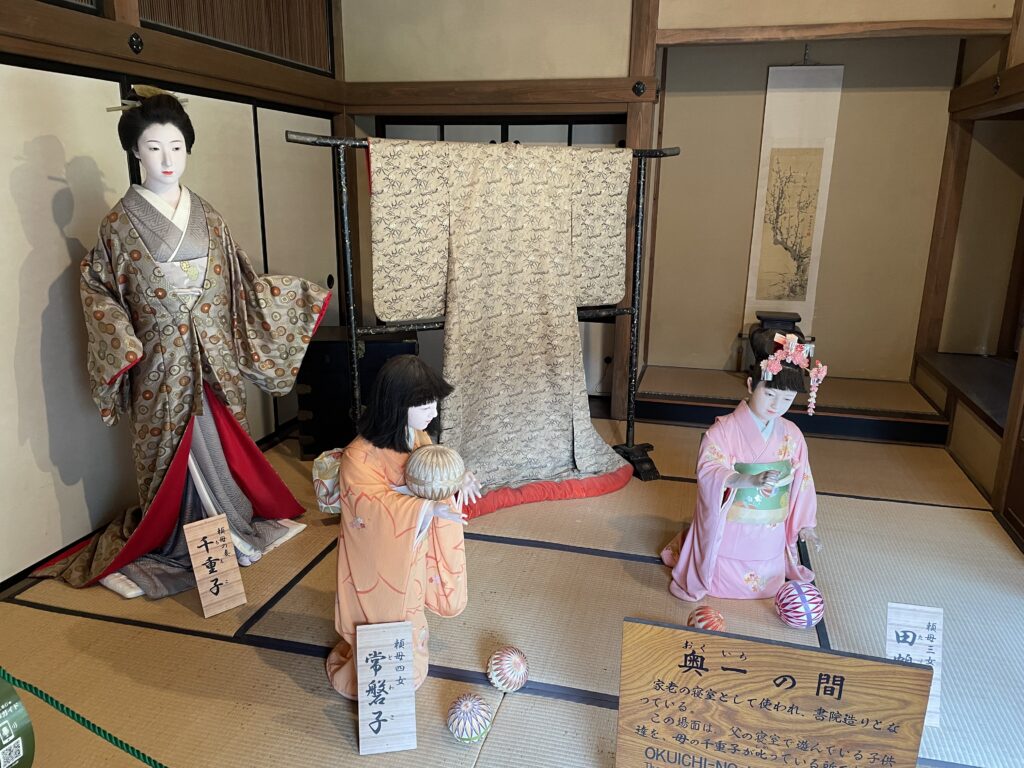
Writing has played a crucial role in preserving Japan’s rich cultural heritage. Let’s explore how Japan developed its distinctive writing system and literary traditions. The Beginning: A Culture Without Writing Before developing their writing system, Japanese society relied entirely on oral tradition. Skilled storytellers passed down important legends and cultural stories from generation to generation, keeping their history alive through spoken word. The Chinese Influence When Japan began establishing connections with mainland China, they made a significant cultural borrowing: the…
-
The Story of Taira no Masakado: Japan’s Forgotten Rebel Emperor
During the time of Taira no Masakado, Japan was a centralized state system ruled by the emperor, with local regions being governed and taxed by officials sent from the capital. The ruling class never left the capital and had no understanding of the corruption and heavy taxation imposed by local officials. Taira no Masakado initially followed the emperor’s officials, but in 929, when the Khitan leader Yelü Abaoji established himself as emperor and sent an envoy to Japan In 939,…
-
The Life and Legacy of Prince Su Zhong: A Qing Dynasty Prince and his Relationship with Kawashima Yoshiko
Kawashima Yoshiko was the 14th daughter of Prince Su, an eminent member of the Qing Dynasty who was one of the “Iron Hat Princes,” a title given to the eight most distinguished Manchu princes who had contributed to the founding of the dynasty. The first Prince Su was the eldest son of Emperor Hong Taiji and his primary consort, Empress Ulanara. Prince Su Zhong, the 10th Prince Su, played a role in protecting Japanese residents during the Boxer Rebellion in…
-
The Decline of Centralized Government in Japan: Rise of the Samurai and the Fall of the Taira Clan
The ideal of a central government centered around the emperor that would govern the land and its people began in the 7th century, but by the end of the 12th century, it had largely disappeared. Internal conflicts within the imperial family and among the aristocracy led to nobles being expelled from the court and settling in various regions, gradually accumulating independent power from the central government. At the same time, they wanted to have influence in the capital and eventually…
-
The Kamakura Shogunate and the Story of Shizu: A Tale of Power and Hidden Meanings
The Emperor was the highest authority in the center of aristocratic society and traditional culture, but he granted wide-ranging powers to the samurai Yoritomo to govern the country. This led to Yoritomo becoming known as the shogun when he established the Kamakura shogunate in 1192. Before becoming shogun, Yoritomo eliminated anyone who might compete with him for power, including his own half-brother. He ordered the pregnant wife of his brother, Shizu, who he had captured, to dance at a shrine…
-
The Tragedies of Defeated Regions in the Boshin War: A Tale of Resilience and Sacrifice
The Boshin War was a Japanese civil war fought between Imperial and shogunate forces from 1868 to 1869. While many foreigners may view the Meiji Restoration that followed as a positive development, it is important to recognize the tragedies that befell the regions that were defeated in the war. In these regions, residents often lacked basic necessities such as food, and some samurai families were forced to sell their daughters into servitude in Tokyo, where they became mistresses of Meiji…
-
Samoa’s Road to Independence: The Role of New Zealand and the United Nations
In 1936, a Labour government was formed in New Zealand, and the new Prime Minister, Michael Joseph, promised to improve relations with Samoa. The new government reviewed several rules and laws, including establishing Samoan associate judges in the courts and hiring Samoans and local Europeans in the public sector. They also set up a registry office to recognize land rights. In 1947, Samoan leaders sent a letter to the United Nations asking for autonomy. The UN sent a delegation to…
-
New Zealand Rule in Samoa: Impact on Samoan Self-Governance and the MAU Movement
New Zealand governed Samoa from 1919 to 1962, but initially struggled to understand and rule the country effectively. Samoa had a self-governing system in which chiefs in each village held important roles and responsibilities. However, the New Zealand government forbade Samoans from fulfilling these roles and transferred power from the matai, or village chiefs, to the New Zealand government. The New Zealand government even had the power to revoke the title of matai, which was deeply hurtful to Samoans as…
-
Samoa’s Road to Independence: From Colonial Rule to Self-Government
After Samoa became a colony in 1925, the Colonial Act was implemented, causing many issues as it failed to acknowledge the realities of Samoa. In 1929, during protests, Prince Tamasese was killed by New Zealand violence, which led to increasing momentum to oppose the colonial law and pursue independence and self-government by Samoans. Samoa appealed to New Zealand and the United States for independence. In 1948, the Samoan flag was allowed to fly next to the New Zealand flag, and…
-
Samoa’s History: European Colonization and Influence in the 1800s-1900s
In the 1800s, people from many countries immigrated to Samoa. In 1857, German traders established plantations on the island of Upolu. The plantations flourished, and the German settlers gained more power. They then negotiated with the United States, Great Britain, and Tonga and signed the Berlin Agreement. As a result, the great chief of Upolu was overthrown, and the German settlers proclaimed themselves as kings. In 1914, World War I broke out, and New Zealand invaded Samoa, which was a…
-
History of Samoa: Settlement, Colonization, and Introduction of Christianity
Between 1000 B.C. and 400 A.D., Polynesian peoples began to settle on Pacific islands. Between 950 and 1250 A.D., Samoa came under the rule of the Kingdom of Tonga. Samoa then gained independence and experienced a golden age under Queen Salamagina around 1600 A.D. However, with the Age of Exploration, Europeans began to arrive to explore. The Germans arrived in 1772, followed by the French in 1787. In 1828, Christianity was introduced, and both the Anglican Church and the Catholic…
-
How the Treaty of Waitangi shaped New Zealand’s history: a closer look at the Maori-British agreement of 1840
The Maori gradually realized that they were losing their land and demanded that the British government regulate and control the settlers. However, this gave the British an opportunity to take advantage. To address the situation, the British government sent Captain William Hobson to New Zealand. In 1840, Captain William Hobson and Maori chiefs signed the Treaty of Waitangi. This treaty guaranteed British protection of all Maori rights, including property rights, in exchange for the Maori accepting Queen Victoria as their…