Blog
-

The Rise of Cixi: How a 25-Year-Old Concubine Came to Rule the Qing
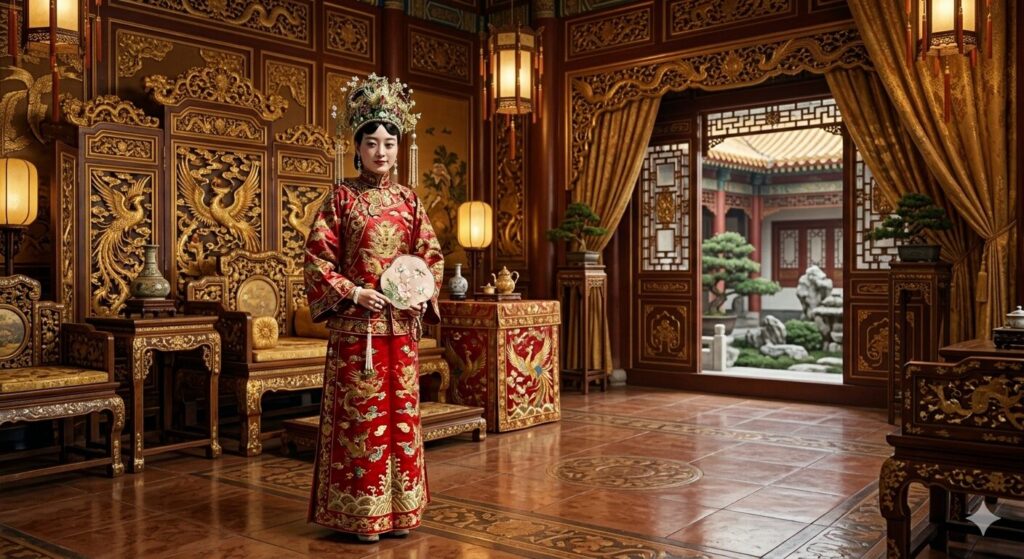
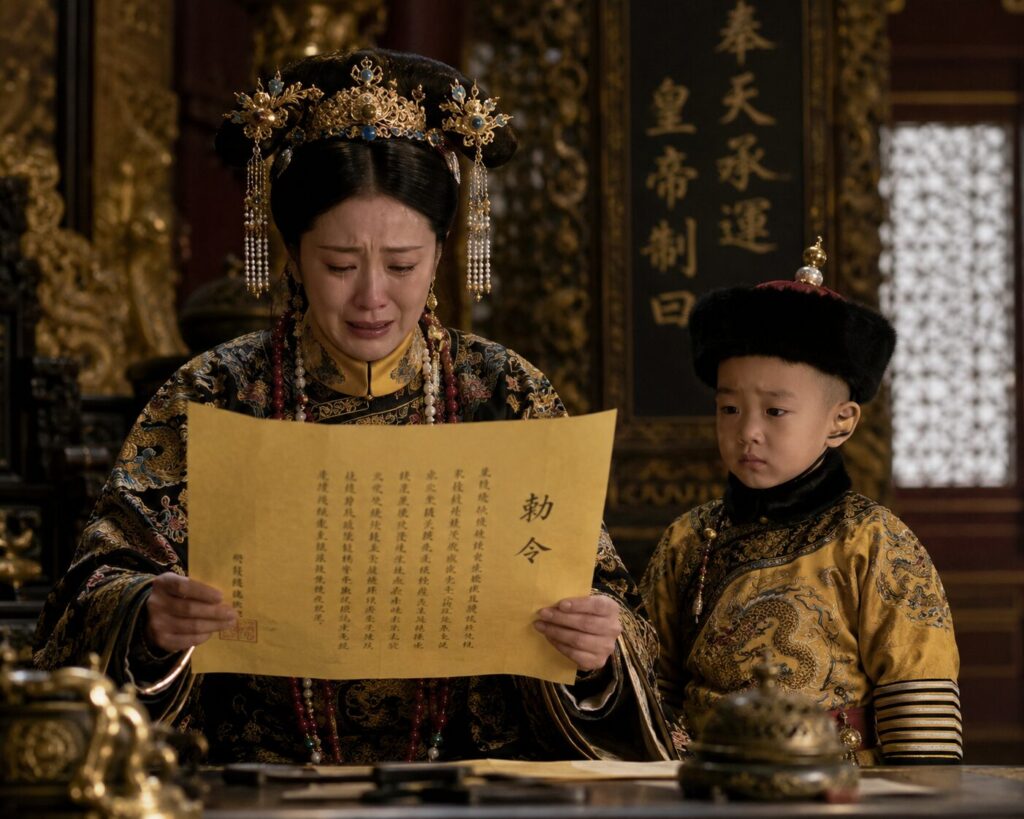
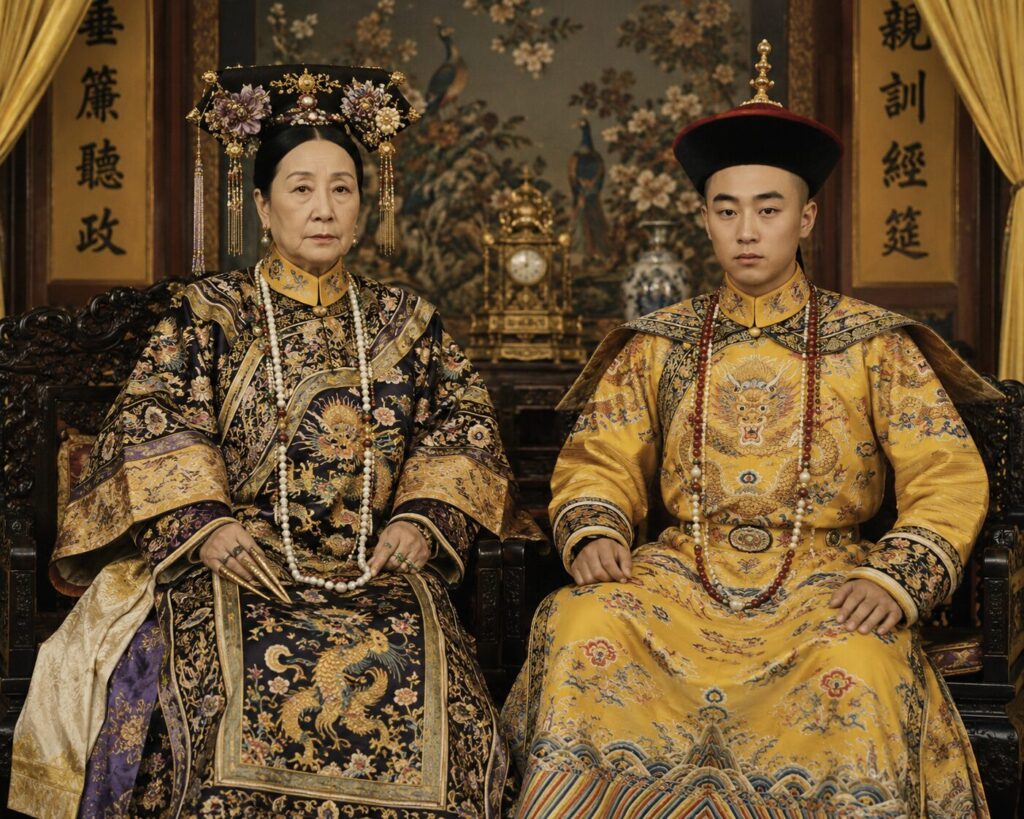
Prologue — A 25-Year-Old at Chengde In the summer of 1861, the Xianfeng Emperor died at the imperial Mountain Resort at Chengde — the hunting retreat beyond the Great Wall, then called Rehe (Jehol), where the court had fled. He was thirty. He left behind a five-year-old heir and a single Noble Consort, twenty-five years old: the woman remembered as Cixi. Within a few months she had helped engineer a palace coup, swept aside the regents her dying husband had…
-
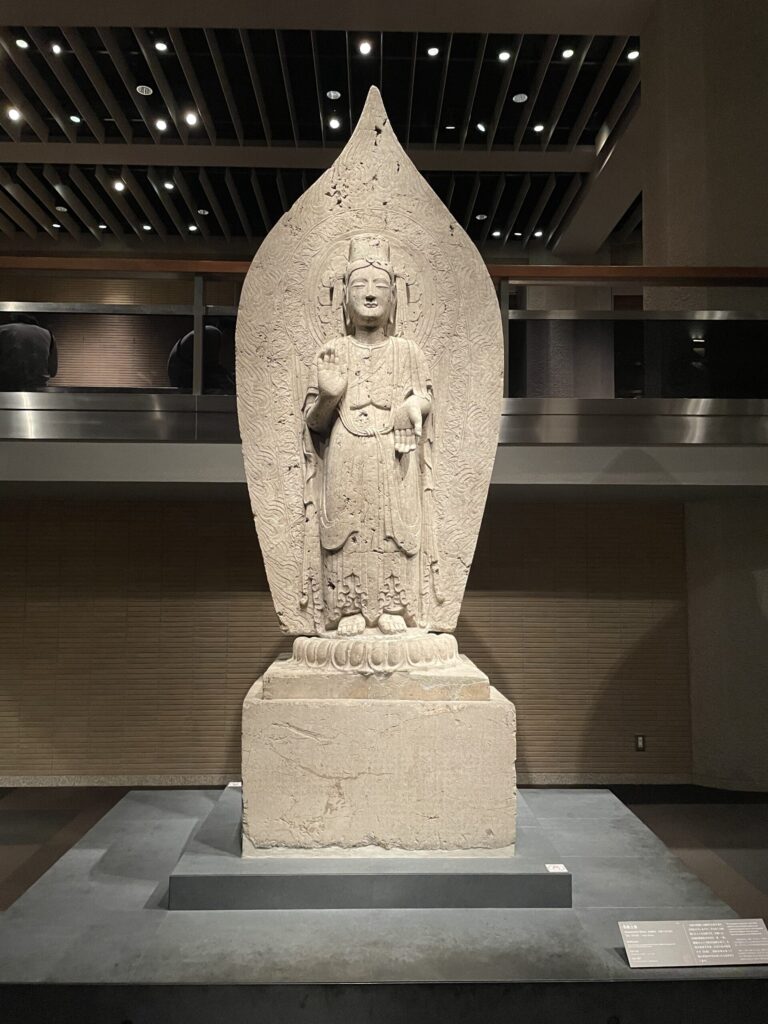
A Bodhisattva from the Northern Qi Dynasty Visiting the Tokyo National Museum — Oriental Gallery, Room 1
A Bodhisattva from the Northern Qi Dynasty Visiting the Tokyo National Museum — Oriental Gallery, Room 1 I recently visited the Oriental Gallery at the Tokyo National Museum — and it was wonderful! The moment I stepped into Room 1 on the first floor, a single statue caught my eye: a Standing Bodhisattva, created in Shanxi Province, China, in 552 CE during the Northern Qi dynasty. That predates even the beginning of Japan’s Asuka period. It is a piece from…
-
HOW TO READ BUDDHIST STATUES IN JAPAN A Beginner’s Guide for Travelers to Japan
HOW TO READ BUDDHIST STATUES IN JAPAN | Part 1 What Are All These Buddhist Statues Doing? A Beginner’s Guide for Travelers to Japan You may have seen it already — perhaps in a photo before your trip, or on a postcard at the airport: the Great Buddha of Kamakura, sitting serenely in the open air, one hand raised with the palm facing outward. It is one of the most iconic images in Japan. But what is that hand gesture…
-
Emperor Daoguang and the Opium War: The Man Who Lost Hong Kong
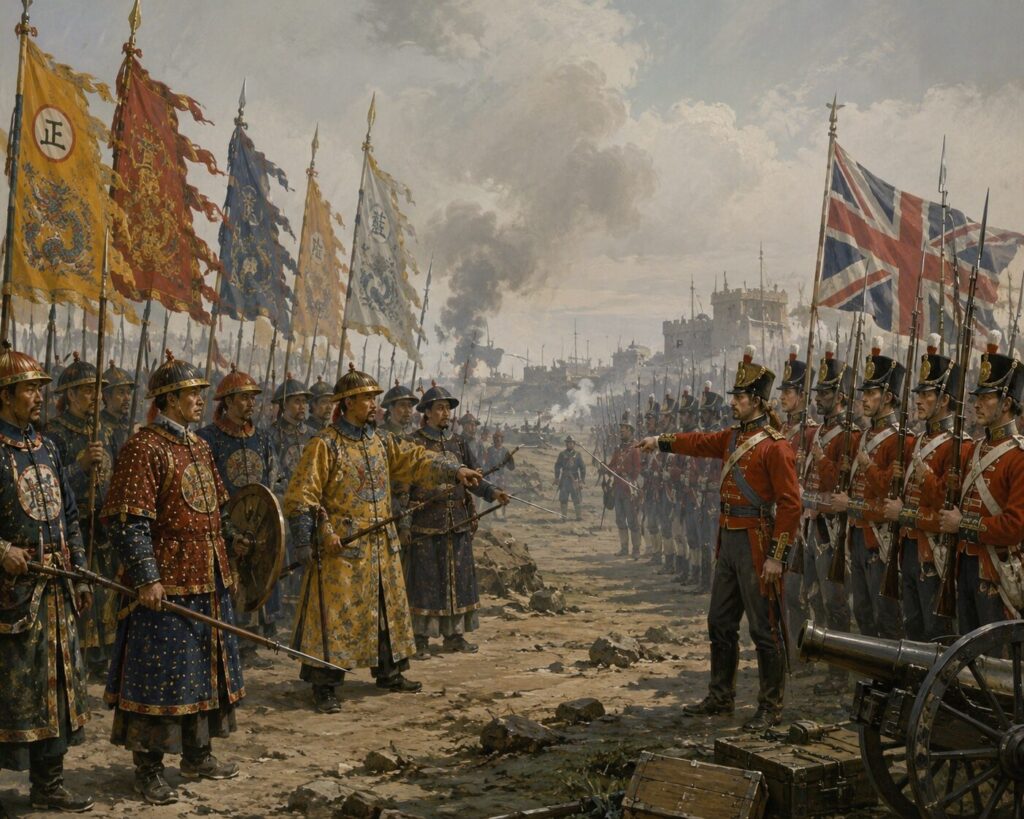
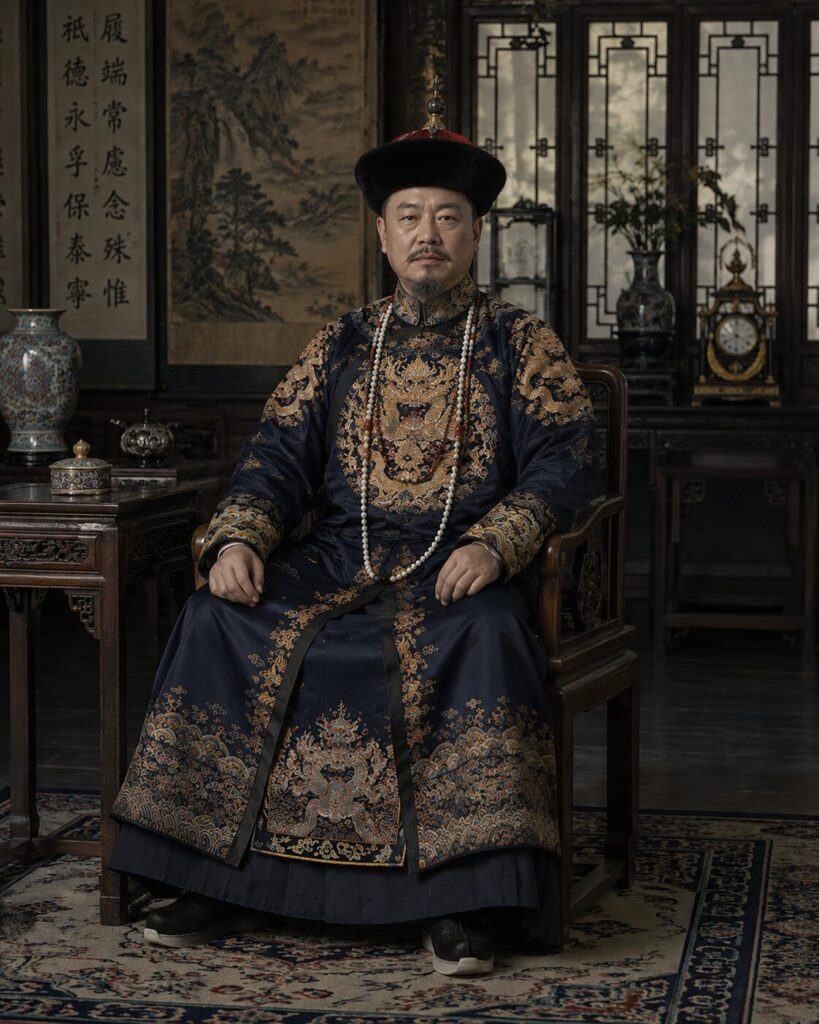
> Part of the Late-Qing series. Reign 1820–1850. To most Western readers the Opium War is the story; this is the man inside it—the most legitimate emperor the Qing ever had, undone by the two virtues that no longer fit his age. — The Daoguang Emperor (1782–1850) was diligent, frugal, and a genuine reformer. He was also the only emperor in the entire Qing dynasty to inherit the throne as the legitimate firstborn son of the principal empress. And it…
-
Beyond Sun Tzu: Wei Liao, the Strategist Who Helped Buy China’s First Empire
Why “winning without fighting” turned out to be a matter of arithmetic If you’ve read one book of Chinese military strategy, it’s almost certainly Sun Tzu’s The Art of War. It sits on the recommended reading list at West Point and is studied at Sandhurst. What far fewer Western readers know is that Sun Tzu’s book is only the most famous of seven — the Seven Military Classics of Ancient China, the canon formalized in 1080 under the Song dynasty.…
-
Gūwalgiya Wanrong — The Last Empress of China, Part I
Wanrong — The Last Empress of China, Part I From the Glory of the Gūwalgiya Clan to the Forbidden City by Satoe | 還暦散歩 (Kanreki Sanpo) — Late Qing Dynasty Series I. The Glory of the Gūwalgiya Clan A Family Among the Eight Banners The Gūwalgiya clan — the family into which Wanrong was born — was a distinguished Manchu family that had earned its place among the Eight Banners through military service during the Qing conquest of China. The…
-
Prince Su Shanqi Yoshiko Kawashima’s Father: The Qing Prince Who Chose Japan and Paid the Price
Late Qing Dynasty Series | The Prince Su Family Prince Su Shanqi A Qing Prince, a Japanese Samurai’s Son, and the Dream That Outlasted an Empire In 1900, as allied Western forces threatened to shell the Forbidden City, a single Japanese man talked them out of it — in Chinese. His name was Kawashima Naniwa, and he was the son of a former samurai from a small Japanese castle town called Matsumoto. A year later, that same man became the…
-
The Fengshan Ritual: China’s Supreme Ceremony of Heaven and Earth
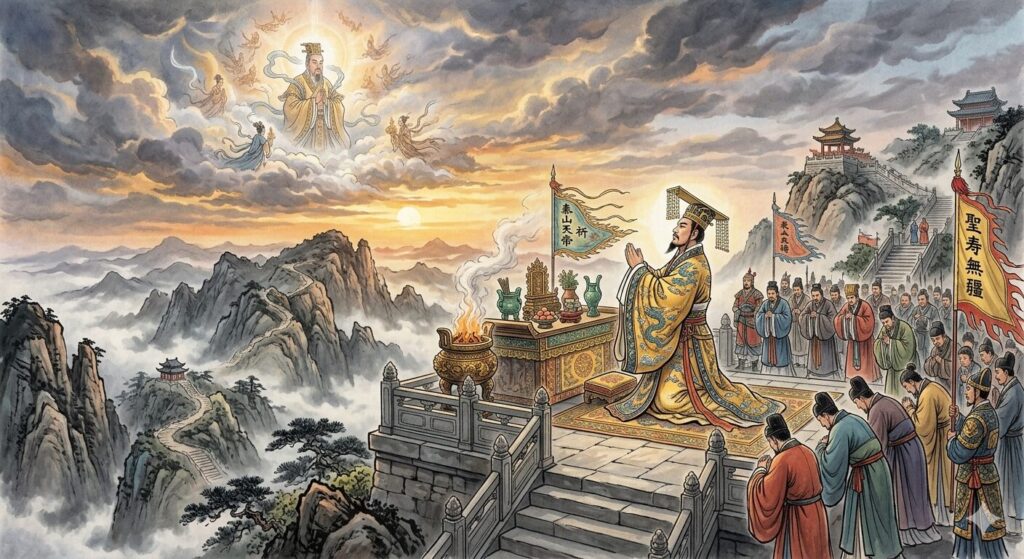
The Fengshan Ritual: China’s Supreme Ceremony of Heaven and Earth Only the Son of Heaven Could Perform It — From the First Emperor to the Song Dynasty A Hierarchy of the Sacred: Who Could Worship What To a reader shaped by Christianity or other Western religious traditions, this may seem deeply strange. In those traditions, prayer is available to everyone — the poorest farmer and the most powerful king kneel before the same God, and no earthly rank determines one’s…
-
Tongzhi Emperor (1856–1875): Reign, Death, and Cixi’s Son
The boy named “joint rule” who was never let in. — The Tongzhi Emperor was given a name that promised him everything and handed him nothing. Tongzhi (同治) means “joint rule.” Yet the boy who carried it was kept outside that rule from before he could even speak. The power was shared, just never with him — it was shared between his mother, Empress Dowager Cixi, and the thin screen she sat behind while the empire was governed in her…
-
Empress Dowager Longyu and the Fall of the Qing
LATE QING DYNASTY SERIES February 12, 1912: The Day Two Thousand Years of Imperial China Came to an End Empress Dowager Longyu, Yuan Shikai, and the Last Act of the Qing Dynasty On February 12, 1912, a six-year-old boy named Puyi signed away the throne his family had held for nearly three centuries. With that act, more than two thousand years of continuous imperial rule in China — a system that traced its origins to the First Emperor of Qin…
-
The Guangxu Emperor: The 103-Day Revolution That Failed Imprisoned Poisoned by Cixi
The Guangxu Emperor: The Emperor Who Said He Didn’t Need Power Imprisoned by Cixi, possibly poisoned — yet Guangxu never broke. He launched 103 days of reform to save China. The emperor who chose mission over power.The Guangxu Emperor and the 103-Day Revolution That Failed Late Qing Dynasty Series “If it would save the country, I do not need to hold power.” No emperor in Chinese history was supposed to say this. Princes fought and bled for the throne. Empress…
-
Lü Buwei: The Merchant Who Bought a King
Lü Buwei: The Merchant Who Bought a King In the article on [Bu coins (the price of a person in ancient China)], we saw that in antiquity a human being could carry a price tag. One man pushed that idea to its absolute limit. Grain, pearls, talent — and finally a single prince — he cornered them all as qihuo — literally “rare huo,” rare value worth hoarding. His name was Lü Buwei: the central figure of the drama The…