March 2026
-

Daoguang Emperor: Why the Most Legitimate Qing Emperor Lost the Opium War
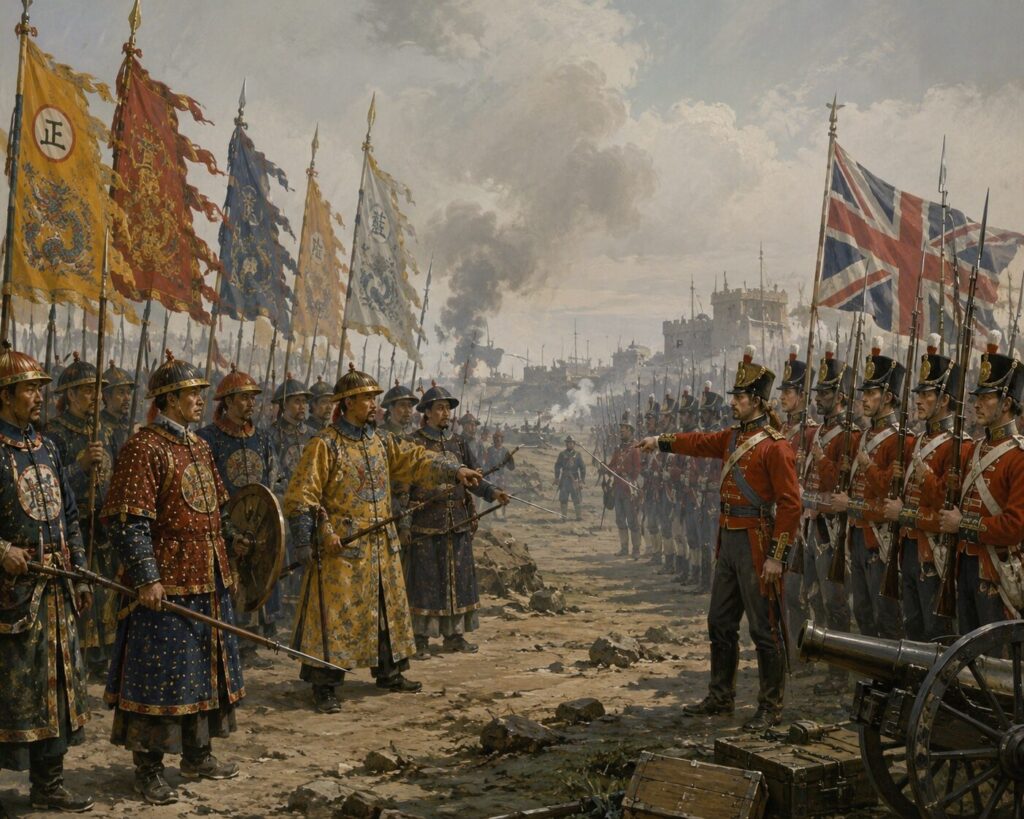
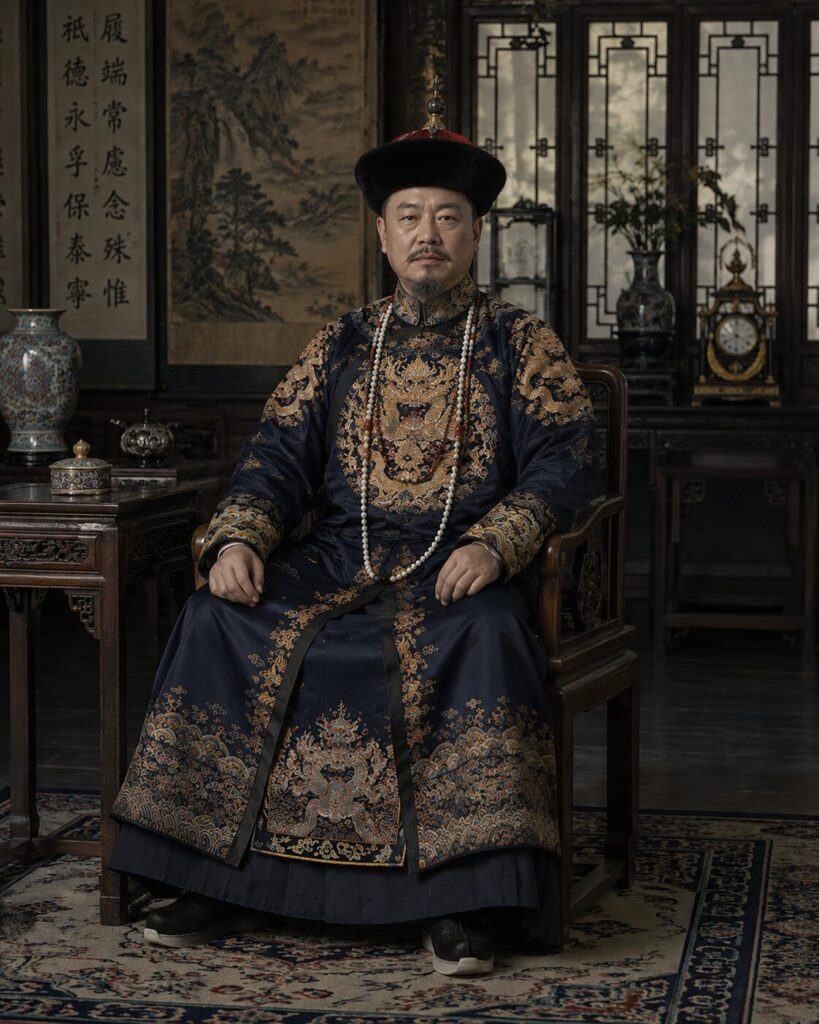
Daoguang Emperor: Quick facts Born: 16 September 1782, Forbidden City, Beijing Died: 26 February 1850, Old Summer Palace Reign: 1820–1850 (7th emperor of the Qing dynasty) Personal name: Mianning (changed to Minning on accession) Temple name: Xuanzong · Era name: Daoguang, “radiant path” Father: Jiaqing Emperor · Successor: Xianfeng Emperor Known for: the First Opium War, the Treaty of Nanjing (1842), the 1831 salt reform, legendary frugality The Daoguang Emperor was diligent, frugal, and a genuine reformer. He was also…
-
Manchukuo’s Hidden Plan: Puyi, Wanrong, Saga Hiro and “Japanese Blood for the Throne”
The Shadows of Manchukuo: What Really Happened Behind the Puppet Emperor Puyi “A Mikoshi Should Be Light” — The Hidden Architecture of Manchukuo’s Founding Introduction — A Structure of Power Unique to Japan There is a Japanese saying: “A mikoshi should be light.” A mikoshi is the portable Shinto shrine that crowds hoist onto their shoulders and carry through the streets during a festival. A light one is easy to carry — and if something goes wrong, you can simply…
-
Consort Wenxiu: The Goldfish Who Left the Bowl
Aisin-Gioro Puyi Series | Late Qing Dynasty Erdet Wenxiu (December 20, 1909 – September 17, 1953) From the blog 還暦散歩 (Kanreki Sanpo) by Saorin The first woman Puyi chose was not Wanrong. It was Wenxiu. With a single circle of ink, the fifteen-year-old emperor picked her photograph out of four. Yet the bowl he lived in was never going to be hers. The choice was overturned within days, and Wenxiu entered the Forbidden City not as empress but as a…
-
Beyond Sun Tzu: Wei Liao, the Strategist Who Helped Buy China’s First Empire
Why “winning without fighting” turned out to be a matter of arithmetic If you’ve read one book of Chinese military strategy, it’s almost certainly Sun Tzu’s The Art of War. It sits on the recommended reading list at West Point and is studied at Sandhurst. What far fewer Western readers know is that Sun Tzu’s book is only the most famous of seven — the Seven Military Classics of Ancient China, the canon formalized in 1080 under the Song dynasty.…
-
Wanrong and the Ghost Gate: How the Last Empress Entered the Forbidden City — Part I
I. The Glory of the Gobulo Clan A Family Among the Eight Banners The Gobulo (郭布羅) clan — the family into which Wanrong was born — was of Daur ancestry and registered under the Manchu Plain White Banner. It had earned its place among the Eight Banners through military service, and the blood and pride of a military aristocracy had been passed down through the generations. The Eight Banners (Baqi) were the unique military and political organization of the Manchu…
-
Prince Su Shanqi Yoshiko Kawashima’s Father: The Qing Prince Who Chose Japan and Paid the Price
Late Qing Dynasty Series | The Prince Su Family Prince Su Shanqi A Qing Prince, a Japanese Samurai’s Son, and the Dream That Outlasted an Empire In 1900, as allied Western forces threatened to shell the Forbidden City, a single Japanese man talked them out of it — in Chinese. His name was Kawashima Naniwa, and he was the son of a former samurai from a small Japanese castle town called Matsumoto. A year later, that same man became the…
-
The Fengshan Ritual: China’s Supreme Ceremony of Heaven and Earth
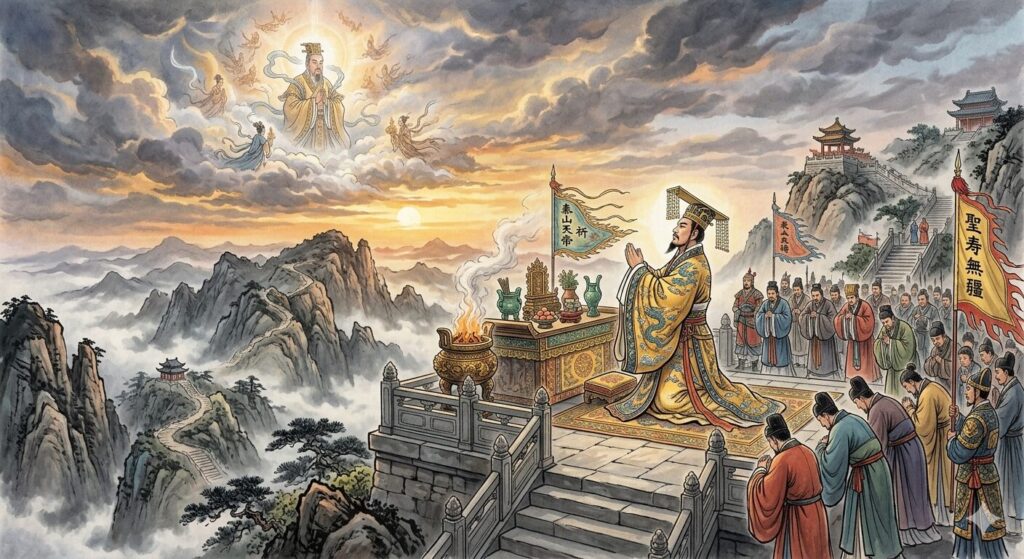
The Fengshan Ritual: China’s Supreme Ceremony of Heaven and Earth Only the Son of Heaven Could Perform It — From the First Emperor to the Song Dynasty A Hierarchy of the Sacred: Who Could Worship What To a reader shaped by Christianity or other Western religious traditions, this may seem deeply strange. In those traditions, prayer is available to everyone — the poorest farmer and the most powerful king kneel before the same God, and no earthly rank determines one’s…
-
Tongzhi Emperor: Cixi’s Son Who Died at 18 — Smallpox or Syphilis? The Tragedy of Empress Alute
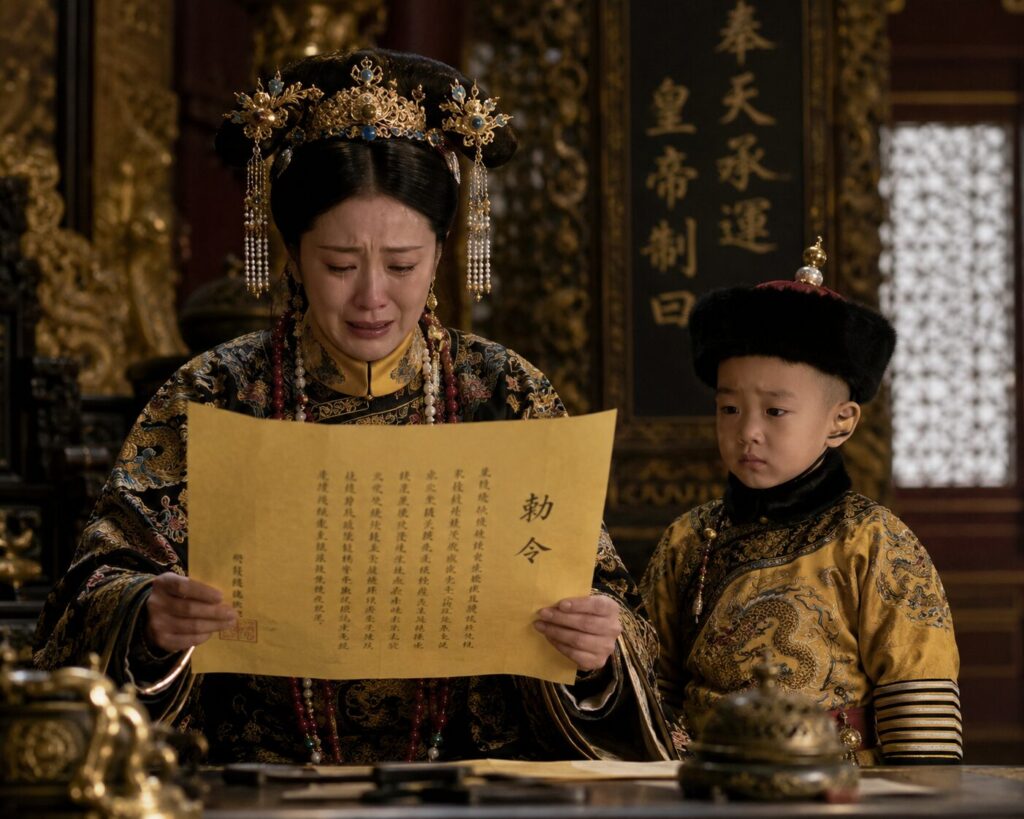
The boy named “joint rule” who was never let in. The Tongzhi Emperor (1856–1875) was the son of Empress Dowager Cixi and the ninth emperor of the Qing dynasty. He took the throne at five, ruled in person for less than two years, and died at 18 — of smallpox, according to his own physicians, though a darker rumor of syphilis has followed him ever since. His era name, Tongzhi (同治), means “joint rule.” The power was indeed shared —…
-
Empress Dowager Longyu: The Woman Who Ended 2,000 Years of Imperial China
She has been remembered as a jealous, dull-witted, unattractive empress — the woman who lost her husband to a prettier rival and then lost a dynasty. But was that really who she was? A small glass-topped table I once saw at the Summer Palace in Beijing made me wonder. On February 12, 1912, in the name of the six-year-old emperor Puyi, an edict of abdication was issued. With it, more than two thousand years of imperial rule in China —…
-
The Guangxu Emperor: The 103-Day Revolution That Failed Imprisoned Poisoned by Cixi
The Guangxu Emperor: The Emperor Who Said He Didn’t Need Power Imprisoned by Cixi, possibly poisoned — yet Guangxu never broke. He launched 103 days of reform to save China. The emperor who chose mission over power.The Guangxu Emperor and the 103-Day Revolution That Failed Late Qing Dynasty Series “If it would save the country, I do not need to hold power.” No emperor in Chinese history was supposed to say this. Princes fought and bled for the throne. Empress…