Late Qing & The Last Emperor
-

Xianfeng Emperor: Rivalry, Dependence, and the Rise of Cixi
This is the main article on the Xianfeng Emperor as a person, a ruler, and a mind. The collapse of his finances—the flood of debased “big coins,” hyperinflation, and the lijin transit tax—is covered in the companion article, “[The Xianfeng Emperor’s Financial Collapse: Big-Coin Hyperinflation and the Origins of Qing ‘Warlordization’].” Late Qing Series | The Emperors Reigned 1850–1861 (about 11 years; the “Xianfeng” era began in 1851) / Born 1831, died 1861 (aged 30) His final scheme ironically opened…
-
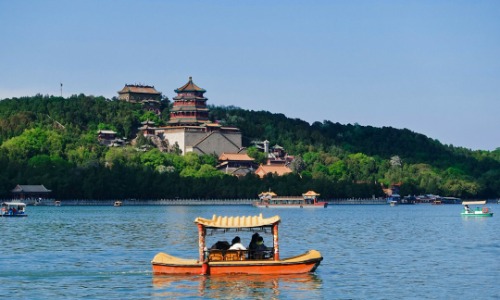
The Summer Palace Cixi Built for Herself
— “They Built a Garden with the Navy’s Money”: Re-examining the Summer Palace and the First Sino-Japanese War Every guide tells you the same thing When I visited the Summer Palace in Beijing, our Japanese-speaking guide told us that this garden was the reason China lost the war against Japan. Walking on, I passed an English-language tour group. Their guide was saying the same thing. The story is told with remarkable consistency: Empress Dowager Cixi diverted the navy’s budget to…
-
Written in the Bone: How the Qing Emperors’ Calligraphy Traced a Dynasty’s Rise and Fall
> A note on what this is: an essay built on a single idea — that calligraphy is a portrait of the person who holds the brush — traced across the emperors and princes of the Qing dynasty. It begins with a scroll I saw in Shimonoseki, Japan, and ends with Kawashima Yoshiko’s father. Related pieces: [Li Hongzhang — The Scroll at Shimonoseki], [Prince Su (Shanqi) — The Qing Royal Who Chose Japan], [Kawashima Yoshiko], [Pujie and Saga Hiro —…
-
The Bondservant Who Became an Emperor’s Mother: How the Qing Turned Slavery into a Ladder
This is a companion to [The tiny gold seal Japan nearly died to fetch], where we watched a “Son-of-Heaven system” hand out recognition at the edge of the world and let the periphery sort itself into a hierarchy for free. Here we watch the same machine run inside the palace walls. A hereditary slave could rise to become the mother of an emperor — the woman the drama Story of Yanxi Palace renders as Wei Yingluo was exactly such…
-
The Manchu–Mongol Independence Movement and Four Human Beings: Pu Wei, Shanqi, Kawashima Naniwa, and Yoshiko Kawashima
**A note before we begin.** This is not a defense, and it is not an indictment. The Manchu–Mongol Independence Movement was inseparable from Japan’s expansion onto the Asian mainland; from China’s point of view, it was part of an invasion. I do not erase that context. What I want to do here is set the labels down for a moment — “traitor,” “spy,” “puppet” — and return four caricatures to being human beings caught in the collapse of an…
-
Yoshiko Kawashima Beyond “The Last Emperor “: What Her Japanese Hometown Remembers
If you know Yoshiko Kawashima at all, you probably know her from Bernardo Bertolucci’s The Last Emperor — the flamboyant “Eastern Jewel,” a spy in men’s clothing who supplies Empress Wanrong with opium. It is one of cinema’s most memorable villains. I was born in Matsumoto, in Nagano Prefecture, Japan. In Matsumoto, Yoshiko Kawashima is not a movie villain. She is a former local schoolgirl whose grave stands in a quiet temple on the edge of town, and whose memory…
-
The Xianfeng Emperor’s Financial Collapse: Hyperinflation, the Likin Tax, and the Roots of China’s Warlords
> Late Qing Dynasty Series|Emperors The Xianfeng Emperor > Reigned 1851–1861 (10 years) · Born 1831 · Died 1861, age 31 > > ※ This article focuses on the financial and structural collapse of the Qing under the Xianfeng Emperor. For the emperor as a man — the rigged succession, his dependence on the future Cixi — see the companion piece [The Rise of Cixi: How a 25-Year-Old Concubine Came to Rule the Qing]. — “Income could no longer cover expenditure”…
-
The Rise of Cixi: How a 25-Year-Old Concubine Came to Rule the Qing
Prologue — A 25-Year-Old at Chengde In the summer of 1861, the Xianfeng Emperor died at the imperial Mountain Resort at Chengde — the hunting retreat beyond the Great Wall, then called Rehe (Jehol), where the court had fled. He was thirty. He left behind a five-year-old heir and a single Noble Consort, twenty-five years old: the woman remembered as Cixi. Within a few months she had helped engineer a palace coup, swept aside the regents her dying husband had…
-
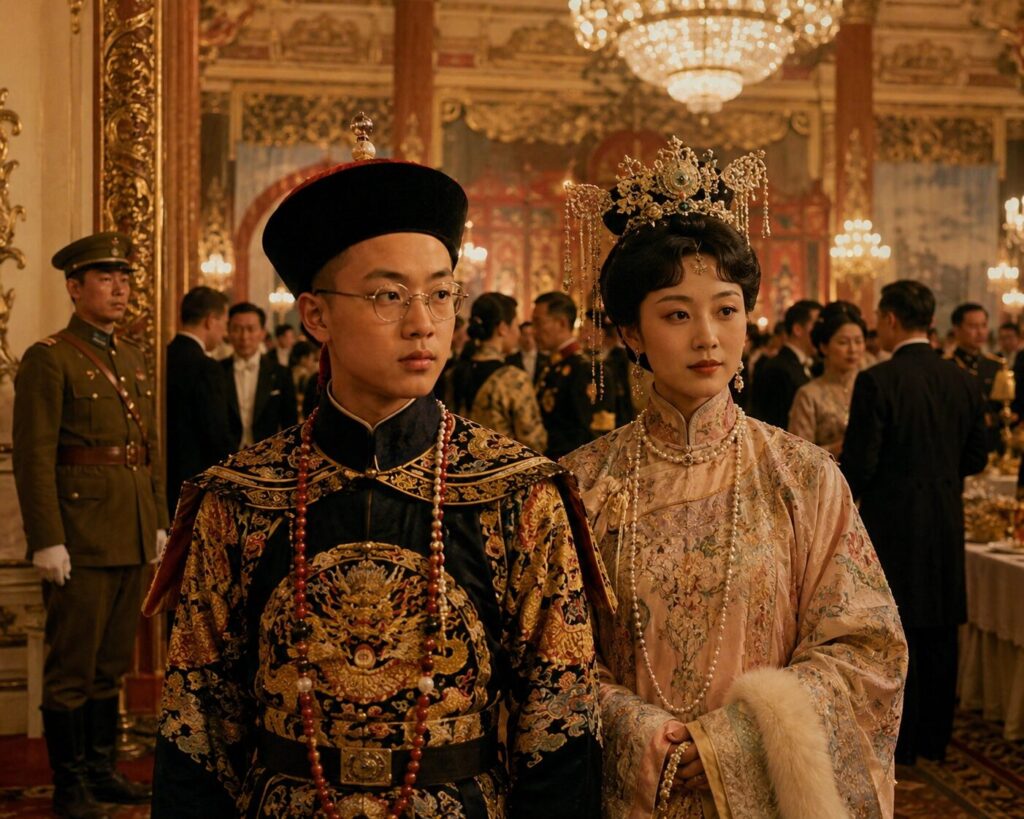
Wanrong in Manchukuo: Opium, Collapse, and the “Fake Empress”
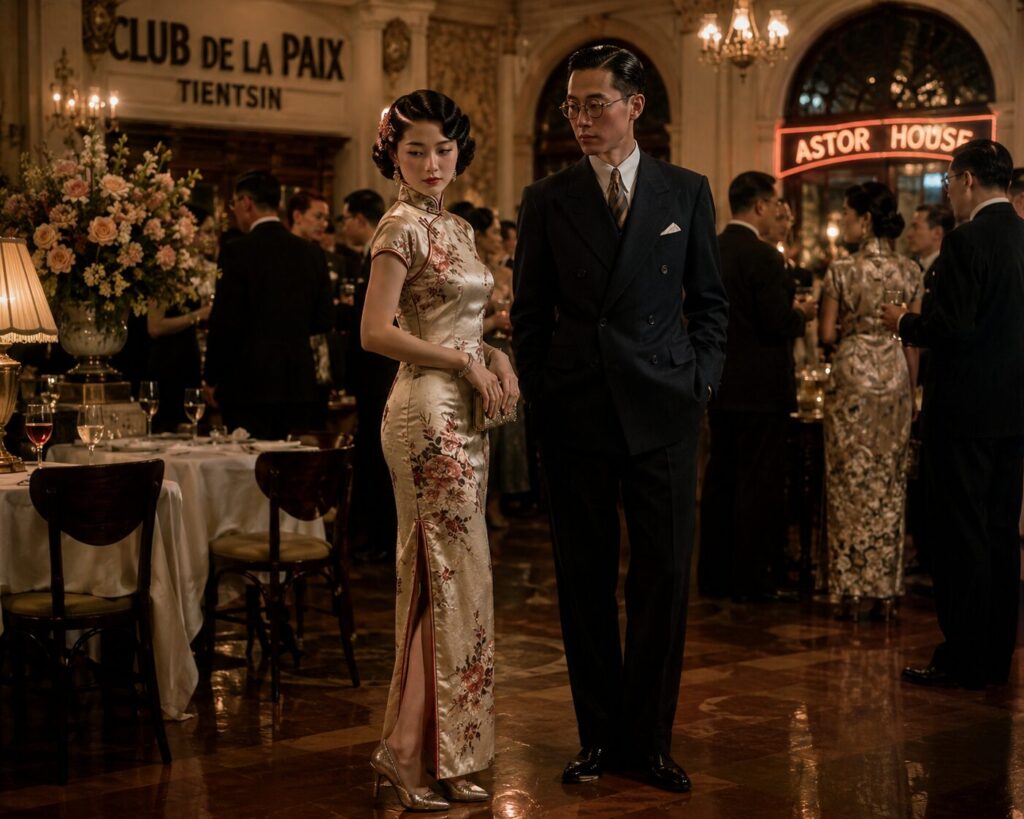
From the Flower of Tianjin to the Deposed Empress of Manchukuo — The Cage Called “Empress” by Satoe | 還暦散歩 (Kanreki Sanpo) — Late Qing Dynasty Series This article continues Part I — Wanrong and the Ghost Gate: How the Last Empress Entered the Forbidden City. I. Wandering — From the Prince’s Mansion to the Japanese Legation After Leaving the Forbidden City On November 5, 1924, driven from the Forbidden City by Feng Yuxiang’s coup, Puyi and Wanrong first took…
-
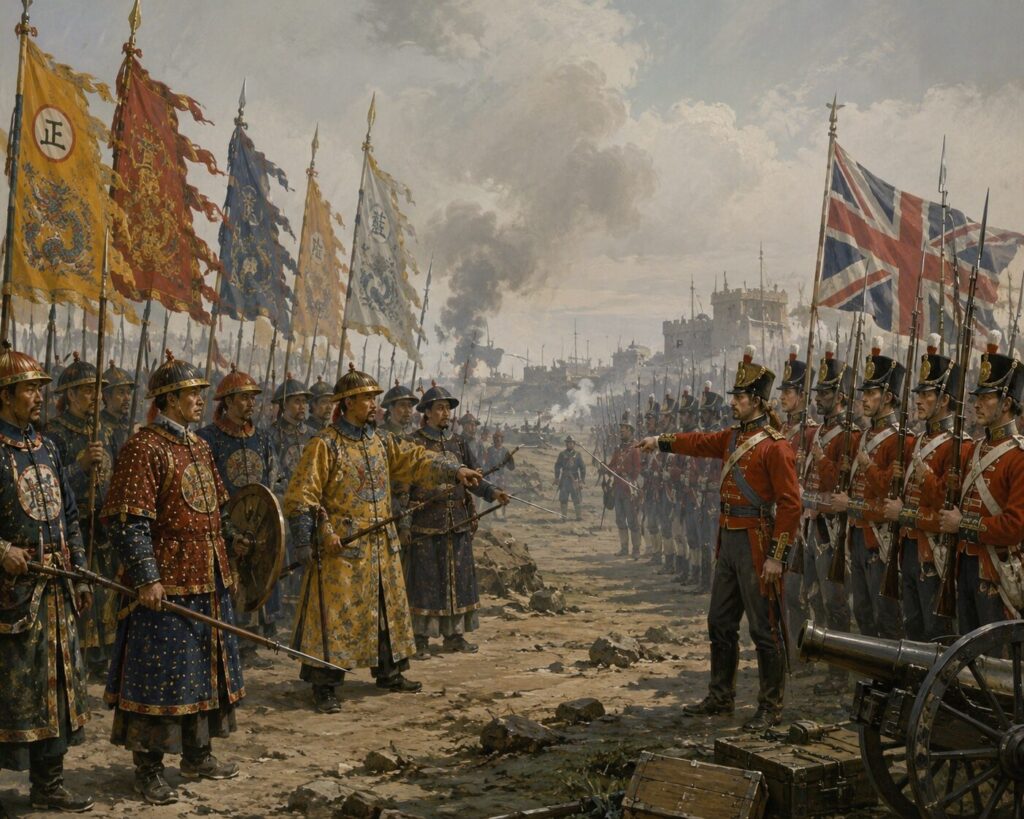
Daoguang Emperor: Why the Most Legitimate Qing Emperor Lost the Opium War
Daoguang Emperor: Quick facts Born: 16 September 1782, Forbidden City, Beijing Died: 26 February 1850, Old Summer Palace Reign: 1820–1850 (7th emperor of the Qing dynasty) Personal name: Mianning (changed to Minning on accession) Temple name: Xuanzong · Era name: Daoguang, “radiant path” Father: Jiaqing Emperor · Successor: Xianfeng Emperor Known for: the First Opium War, the Treaty of Nanjing (1842), the 1831 salt reform, legendary frugality The Daoguang Emperor was diligent, frugal, and a genuine reformer. He was also…
-
Manchukuo’s Hidden Plan: Puyi, Wanrong, Saga Hiro and “Japanese Blood for the Throne”
The Shadows of Manchukuo: What Really Happened Behind the Puppet Emperor Puyi “A Mikoshi Should Be Light” — The Hidden Architecture of Manchukuo’s Founding Introduction — A Structure of Power Unique to Japan There is a Japanese saying: “A mikoshi should be light.” A mikoshi is the portable Shinto shrine that crowds hoist onto their shoulders and carry through the streets during a festival. A light one is easy to carry — and if something goes wrong, you can simply…
-
Consort Wenxiu: The Goldfish Who Left the Bowl
Aisin-Gioro Puyi Series | Late Qing Dynasty Erdet Wenxiu (December 20, 1909 – September 17, 1953) From the blog 還暦散歩 (Kanreki Sanpo) by Saorin The first woman Puyi chose was not Wanrong. It was Wenxiu. With a single circle of ink, the fifteen-year-old emperor picked her photograph out of four. Yet the bowl he lived in was never going to be hers. The choice was overturned within days, and Wenxiu entered the Forbidden City not as empress but as a…