-

“Full Moon” (Mǎn Yuè): The Meaning Behind The Legend of Mi Yue’s Theme Song
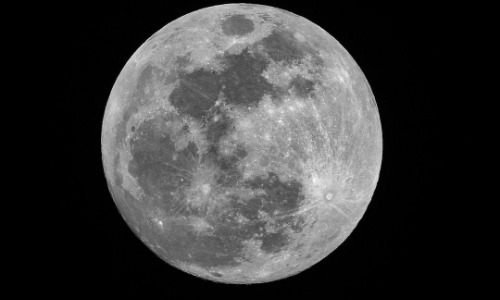
“Full Moon” (Mǎn Yuè): The Meaning Behind The Legend of Mi Yue’s Theme Song When the Chinese historical drama The Legend of Mi Yue (芈月传) begins, the first thing you hear is this song — “Full Moon” (满月, Mǎn Yuè). Over the sound of the guzheng (a Chinese zither) and the breathy paixiao (panpipes), a melody unfolds that holds sorrow and warmth at the same time. Even before the story starts, the music already tells you what kind of tale…
-
“Jianjia” (The Reeds): A 2,500-Year-Old Love Poem from the Book of Songs
If you found your way here from the C-drama Legend of Mi Yue, you may already know the line “so-called the one I long for, on the far side of the water.” It comes from a poem some 2,500 years old — “Jianjia” (蒹葭, “The Reeds”), from the Shijing, or Book of Songs, China’s oldest collection of poetry. Its most famous opening lines are: 所謂伊人,在水一方 Suǒ wèi yīrén, zài shuǐ yī fāng “The one I long for is somewhere across…
-
“Yiren Rumeng”: The Ending Song of Legend of Mi Yue — Its Meaning and the 2,500-Year-Old Poem Behind It
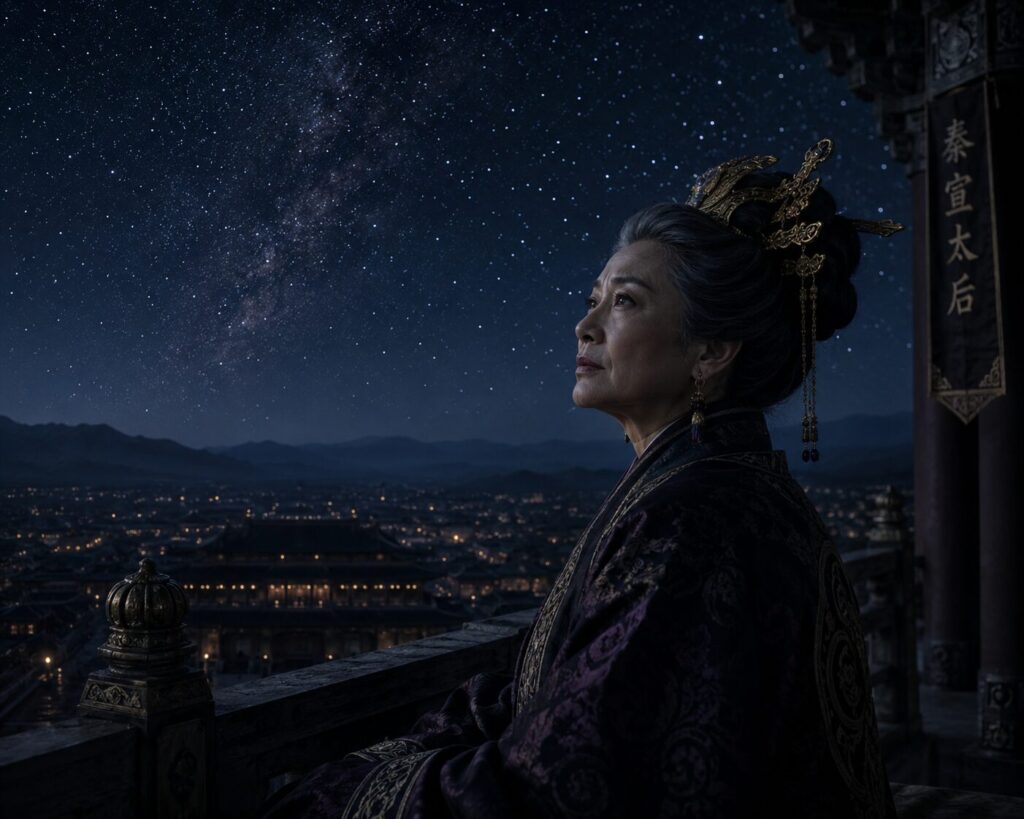
If you’ve watched the Chinese historical drama Legend of Mi Yue (芈月传), you’ll remember the quiet, aching melody that closes each episode. That song is “Yiren Rumeng” (伊人如梦) — roughly, “the beloved, like a dream.” Sung by Huo Zun, composed by A Kun, with lyrics by He Qiling, it gently carries the turbulent life of Mi Yue, the woman who rose to become Queen Dowager Xuan of the state of Qin. But behind this modern song lies something far older.…
-
The Rise of Cixi: How a 25-Year-Old Concubine Came to Rule the Qing
Prologue — A 25-Year-Old at Chengde In the summer of 1861, the Xianfeng Emperor died at the imperial Mountain Resort at Chengde — the hunting retreat beyond the Great Wall, then called Rehe (Jehol), where the court had fled. He was thirty. He left behind a five-year-old heir and a single Noble Consort, twenty-five years old: the woman remembered as Cixi. Within a few months she had helped engineer a palace coup, swept aside the regents her dying husband had…
-
Wanrong — The Last Empress of China, Part II
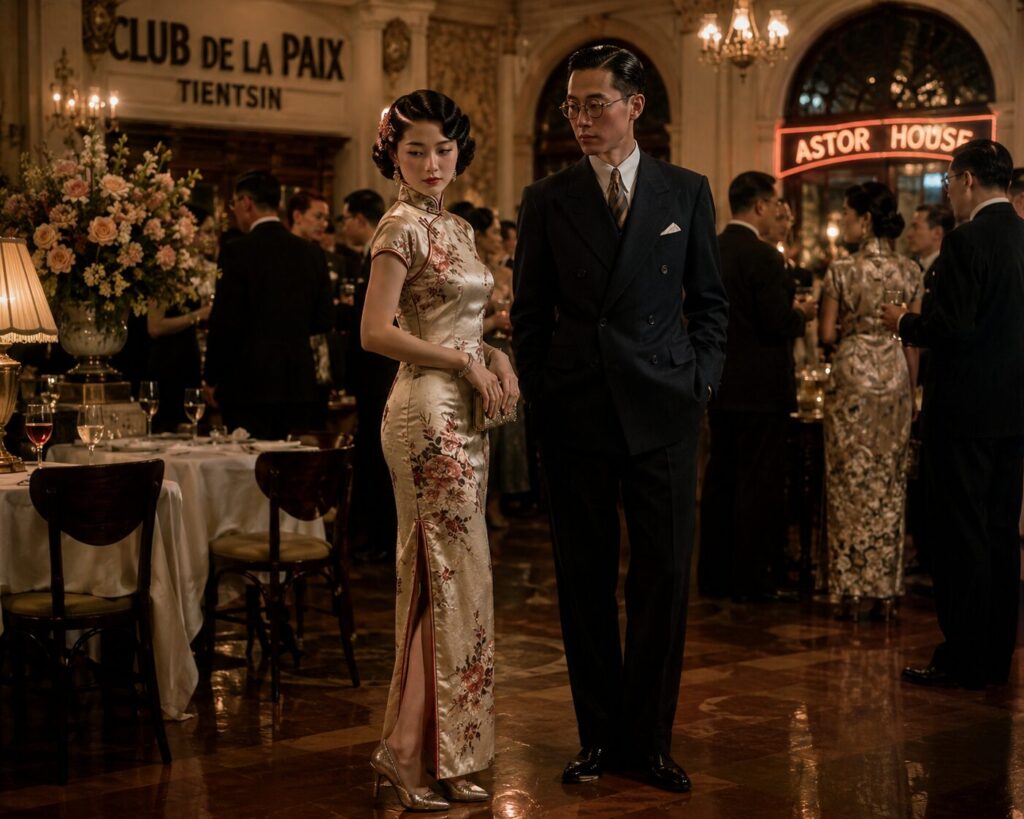
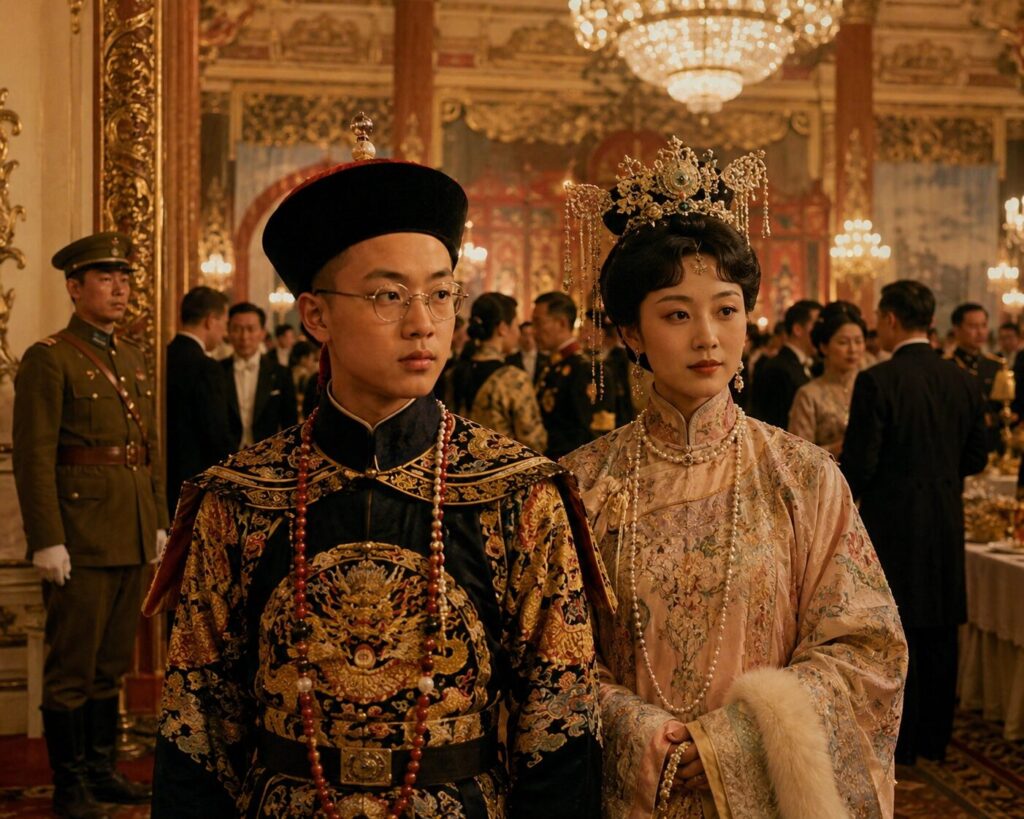
Wanrong — The Last Empress of China, Part II From the Flower of Tianjin to the Deposed Empress of Manchukuo — The Cage Called “Empress” by Satoe | 還暦散歩 (Kanreki Sanpo) — Late Qing Dynasty Series This article is a continuation of “Wanrong — The Last Empress of China, Part I: From the Glory of the Gūwalgiya Clan to the Forbidden City.” I. Wandering — From the Royal Mansion to the German Legation, and On to Japan After Leaving the…
-
A Bodhisattva from the Northern Qi Dynasty Visiting the Tokyo National Museum — Oriental Gallery, Room 1
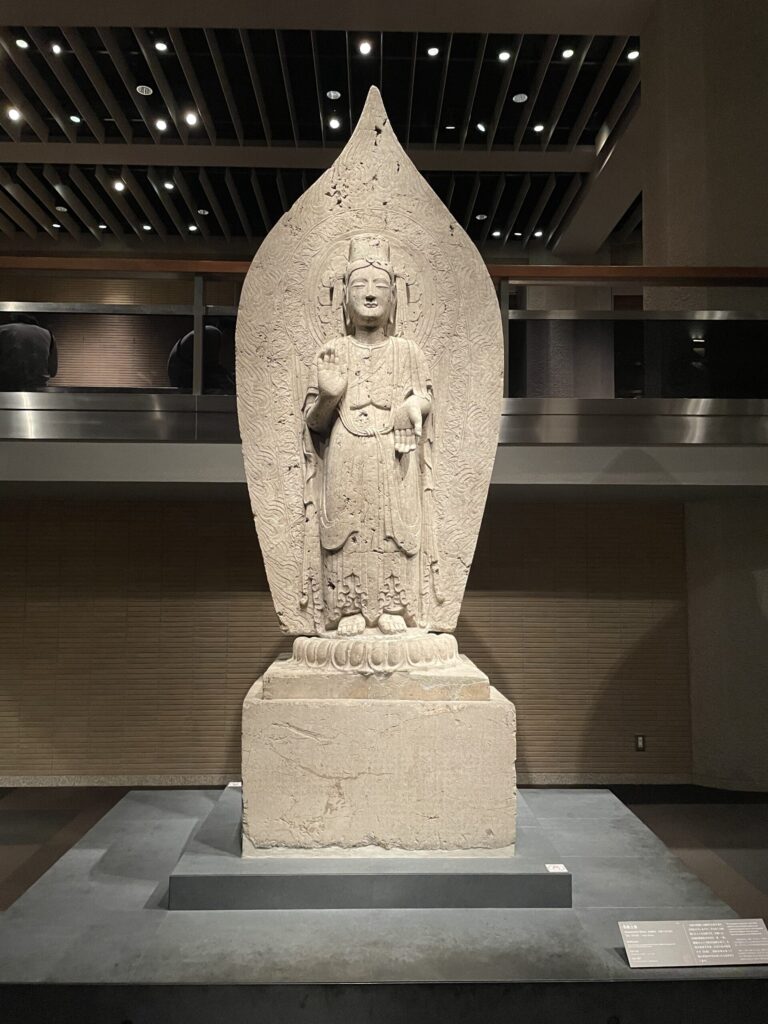
A Bodhisattva from the Northern Qi Dynasty Visiting the Tokyo National Museum — Oriental Gallery, Room 1 I recently visited the Oriental Gallery at the Tokyo National Museum — and it was wonderful! The moment I stepped into Room 1 on the first floor, a single statue caught my eye: a Standing Bodhisattva, created in Shanxi Province, China, in 552 CE during the Northern Qi dynasty. That predates even the beginning of Japan’s Asuka period. It is a piece from…
-
HOW TO READ BUDDHIST STATUES IN JAPAN A Beginner’s Guide for Travelers to Japan
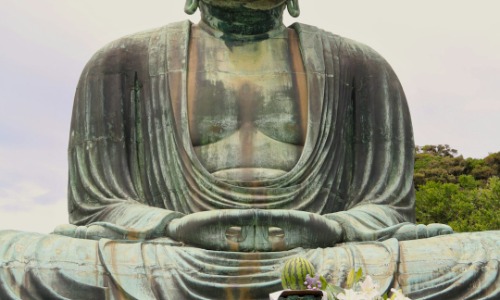
HOW TO READ BUDDHIST STATUES IN JAPAN | Part 1 What Are All These Buddhist Statues Doing? A Beginner’s Guide for Travelers to Japan You may have seen it already — perhaps in a photo before your trip, or on a postcard at the airport: the Great Buddha of Kamakura, sitting serenely in the open air, one hand raised with the palm facing outward. It is one of the most iconic images in Japan. But what is that hand gesture…
-
Daoguang Emperor: Why the Most Legitimate Qing Emperor Lost the Opium War
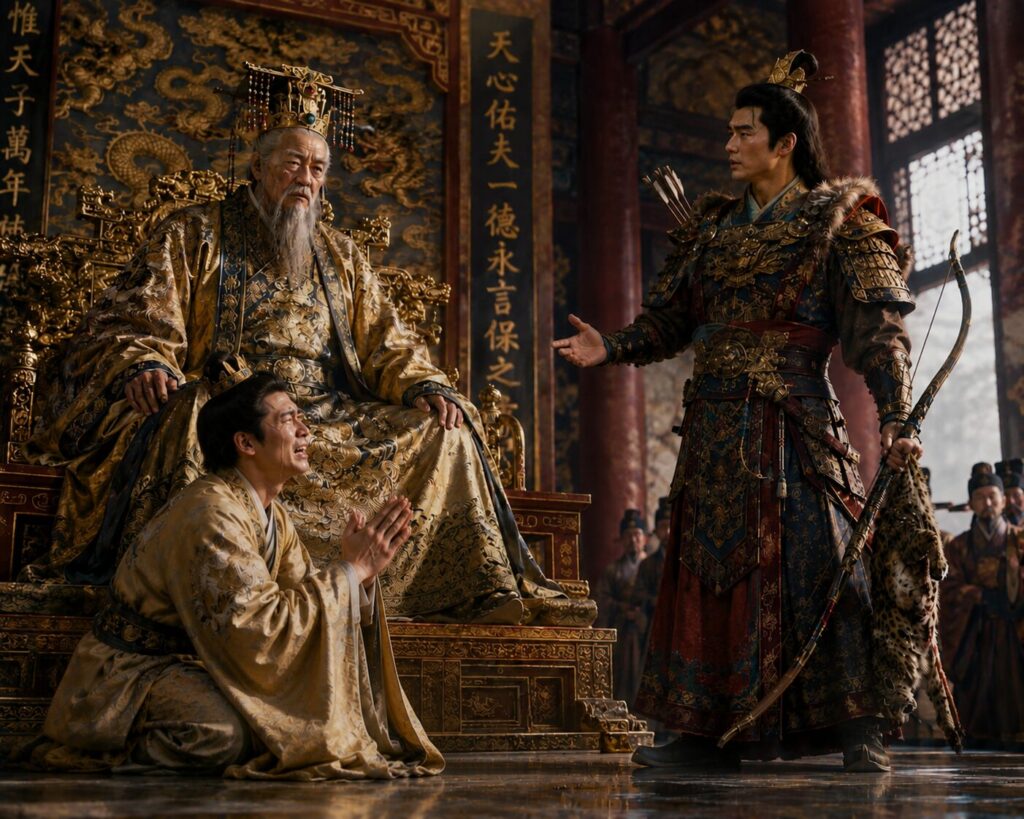
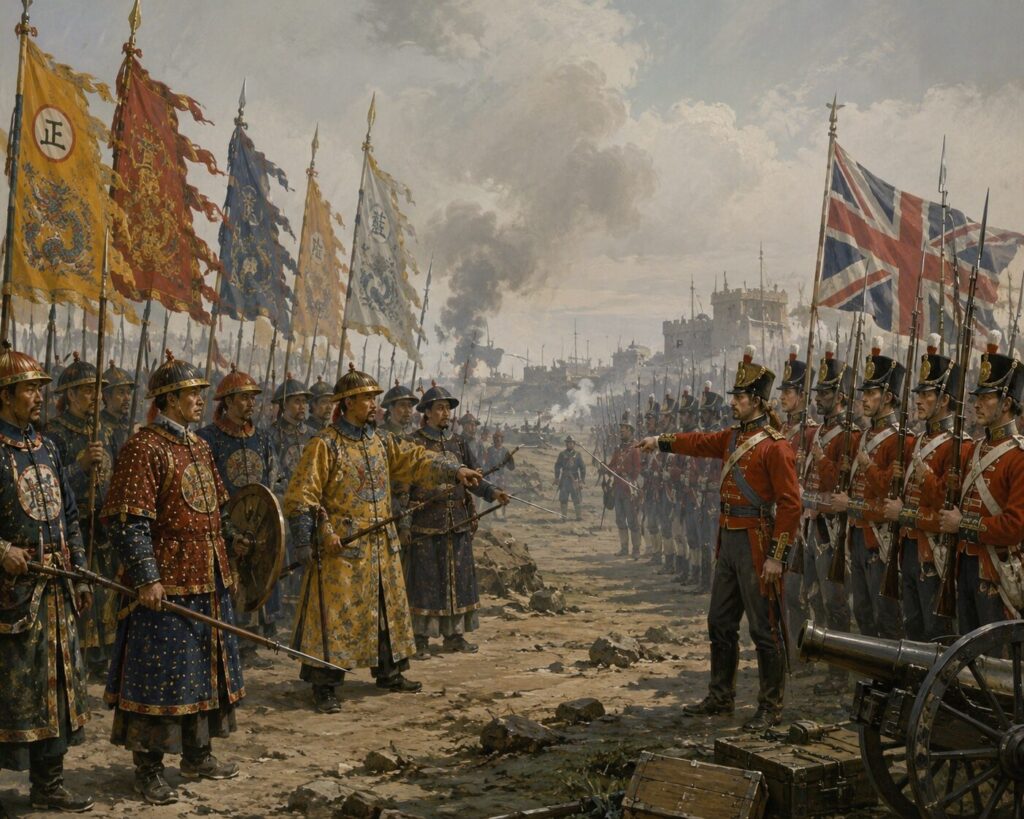
Daoguang Emperor: Quick facts Born: 16 September 1782, Forbidden City, Beijing Died: 26 February 1850, Old Summer Palace Reign: 1820–1850 (7th emperor of the Qing dynasty) Personal name: Mianning (changed to Minning on accession) Temple name: Xuanzong · Era name: Daoguang, “radiant path” Father: Jiaqing Emperor · Successor: Xianfeng Emperor Known for: the First Opium War, the Treaty of Nanjing (1842), the 1831 salt reform, legendary frugality The Daoguang Emperor was diligent, frugal, and a genuine reformer. He was also…
-
Manchukuo’s Hidden Plan: Puyi, Wanrong, Saga Hiro and “Japanese Blood for the Throne”
The Shadows of Manchukuo: What Really Happened Behind the Puppet Emperor Puyi “A Mikoshi Should Be Light” — The Hidden Architecture of Manchukuo’s Founding Introduction — A Structure of Power Unique to Japan There is a Japanese saying: “A mikoshi should be light.” A mikoshi is the portable Shinto shrine that crowds hoist onto their shoulders and carry through the streets during a festival. A light one is easy to carry — and if something goes wrong, you can simply…
-
Consort Wenxiu: The Woman the Last Emperor Chose—and Was Forced to Give Up
Consort Wenxiu: The Woman the Last Emperor Chose—and Was Forced to Give Up Aisin-Gioro Puyi Series | Late Qing Dynasty Erdet Wenxiu (December 20, 1909 – September 17, 1953) From the blog 還暦散歩 (Kanreki Sanpo) by Saorin The 1987 film The Last Emperor is widely celebrated as a masterpiece—but it left out one remarkable story. Puyi, China’s last emperor, actually chose his own empress. And the people around him refused to let that choice stand. Wenxiu was the woman Puyi…
-
Beyond Sun Tzu: Wei Liao, the Strategist Who Helped Buy China’s First Empire
Why “winning without fighting” turned out to be a matter of arithmetic If you’ve read one book of Chinese military strategy, it’s almost certainly Sun Tzu’s The Art of War. It sits on the recommended reading list at West Point and is studied at Sandhurst. What far fewer Western readers know is that Sun Tzu’s book is only the most famous of seven — the Seven Military Classics of Ancient China, the canon formalized in 1080 under the Song dynasty.…
-
Gūwalgiya Wanrong — The Last Empress of China, Part I
Wanrong — The Last Empress of China, Part I From the Glory of the Gūwalgiya Clan to the Forbidden City by Satoe | 還暦散歩 (Kanreki Sanpo) — Late Qing Dynasty Series I. The Glory of the Gūwalgiya Clan A Family Among the Eight Banners The Gūwalgiya clan — the family into which Wanrong was born — was a distinguished Manchu family that had earned its place among the Eight Banners through military service during the Qing conquest of China. The…